Absolutely enchanted to have a chance to see this exhibition, to experience first hand these changes in the art world, when I myself am constantly asking myself the question: what does it mean to be a woman artist today? How does a woman mother artist grow and establish herself creatively while simultaneously caring for family? The below description resonates:
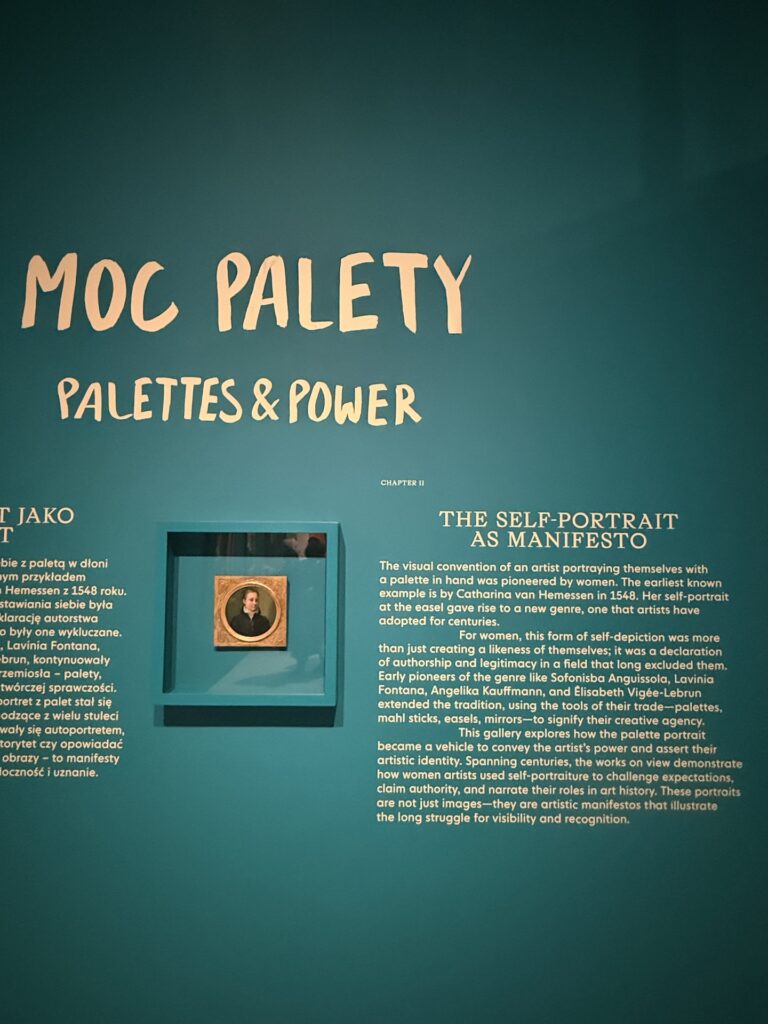
“The exhibition challenges the widely accepted view that women artists before the twentieth century were rare exceptions. It shows that, although often undervalued and working in defiance of various social restrictions, women consistently pursued their creative mission. With determination, they used artistic practice to affirm and preserve their presence and the significance of their individual experiences.”
and especially in terms of my research on the themes of invisibility of female artists:
“the exhibition aims to demonstrate the strength of a new approach to art history—one that demands justice, restores a voice to the “invisible,” and leads to a revision of the so-called canon.”




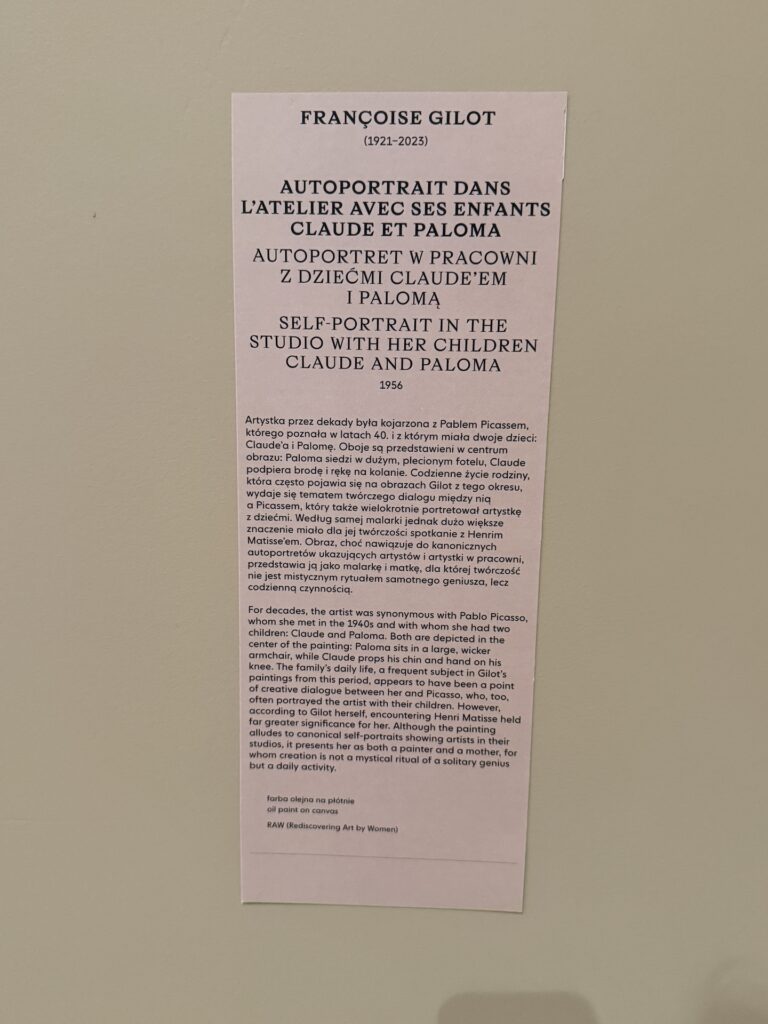
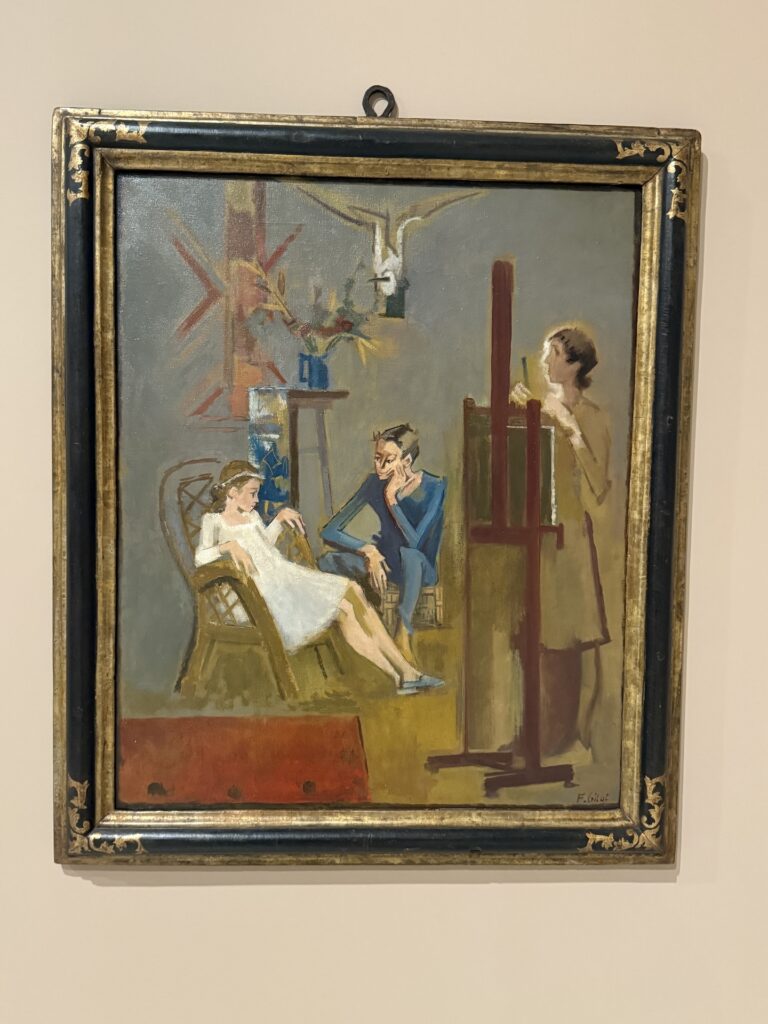
FRANÇOISE GILOT
(1921-2023)
SELF-PORTRAIT IN THE STUDIO WITH HER CHILDREN
CLAUDE AND PALOMA
1956
For decades, the artist was synonymous with Pablo Picasso, whom she met in the 1940s and with whom she had two children: Claude and Paloma. Both are depicted in the center of the painting: Paloma sits in a large, wicker armchair, while Claude props his chin and hand on his knee. The family’s daily life, a frequent subject in Gilot’s paintings from this period, appears to have been a point of creative dialogue between her and Picasso, who, too, often portrayed the artist with their children. However, according to Gilot herself, encountering Henri Matisse held far greater significance for her. Although the painting alludes to canonical self-portraits showing artists in their studios, it presents her as both a painter and a mother, for whom creation is not a mystical ritual of a solitary genius but a daily activity.
oil paint on canvas
RAW (Rediscovering Art by Women)
MotherAura
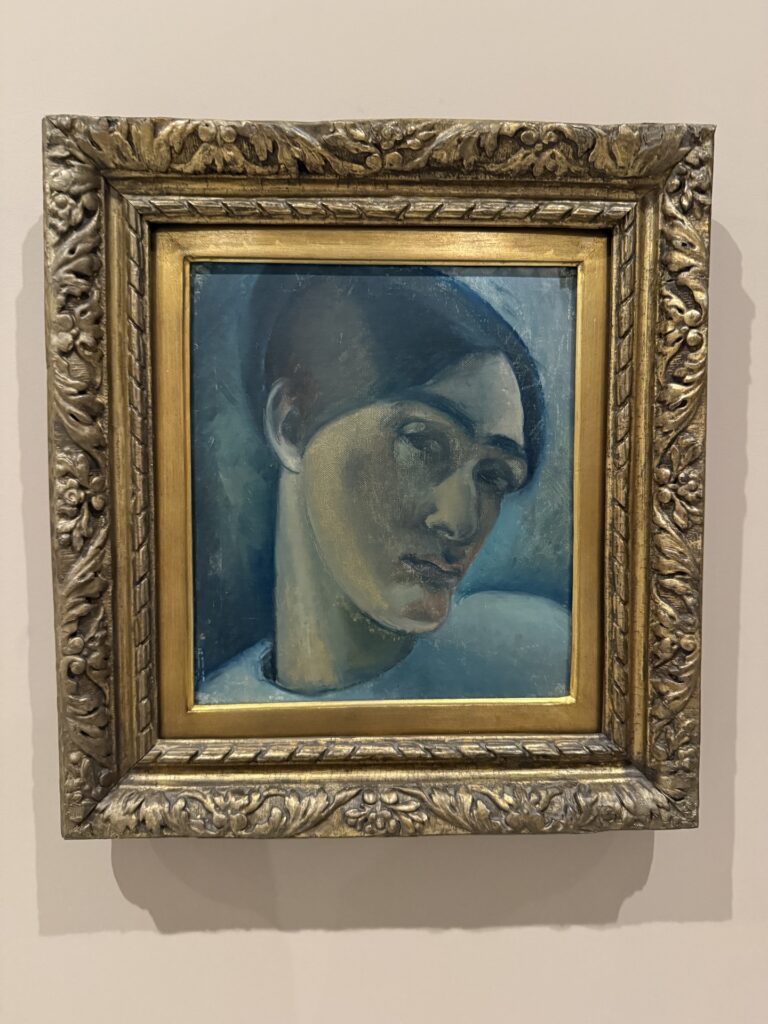
ANITA RÉE
(1885-1933)
SELF-PORTRAIT
BEFORE 1915
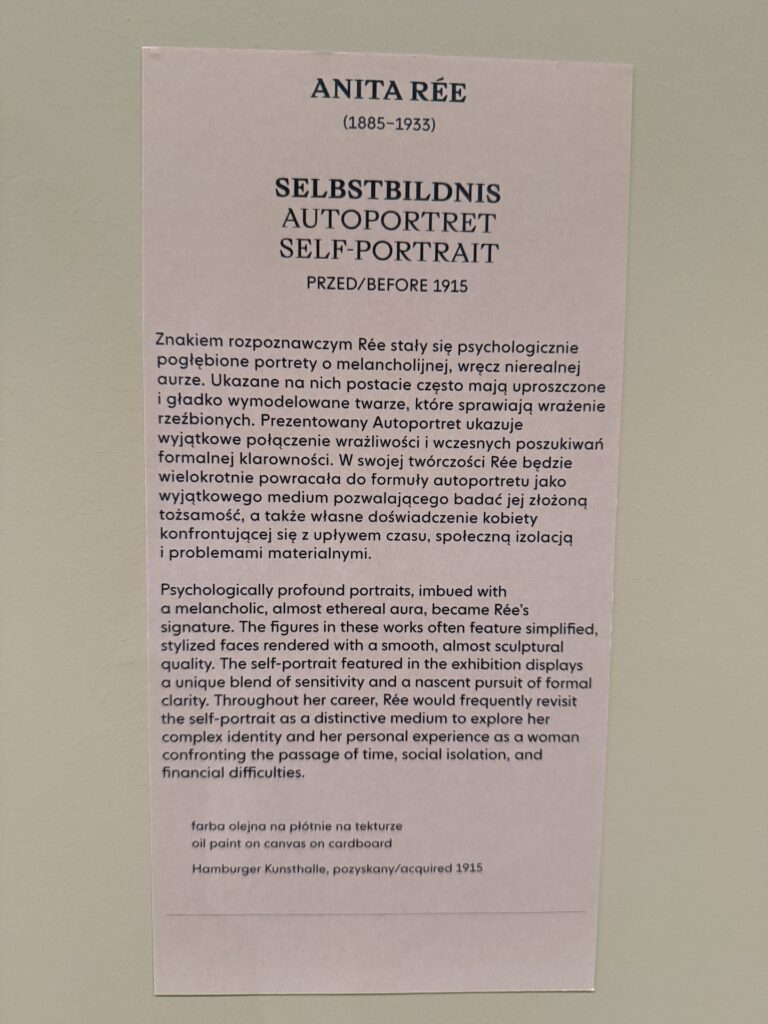
Psychologically profound portraits, imbued with a melancholic, almost ethereal aura, became Rée’s signature. The figures in these works often feature simplified, stylized faces rendered with a smooth, almost sculptural quality. The self-portrait featured in the exhibition displays a unique blend of sensitivity and a nascent pursuit of formal clarity. Throughout her career, Rée would frequently revisit the self-portrait as a distinctive medium to explore her complex identity and her personal experience as a woman confronting the passage of time, social isolation, and financial difficulties.
oil paint on canvas on cardboard
Hamburger Kunsthalle, acquired 1915
Self portrait in a car freedom aura Lempicka
EWA KURYLUK
(B. 1946)
SELF-PORTRAIT ON 29TH
BIRTHDAY
1975
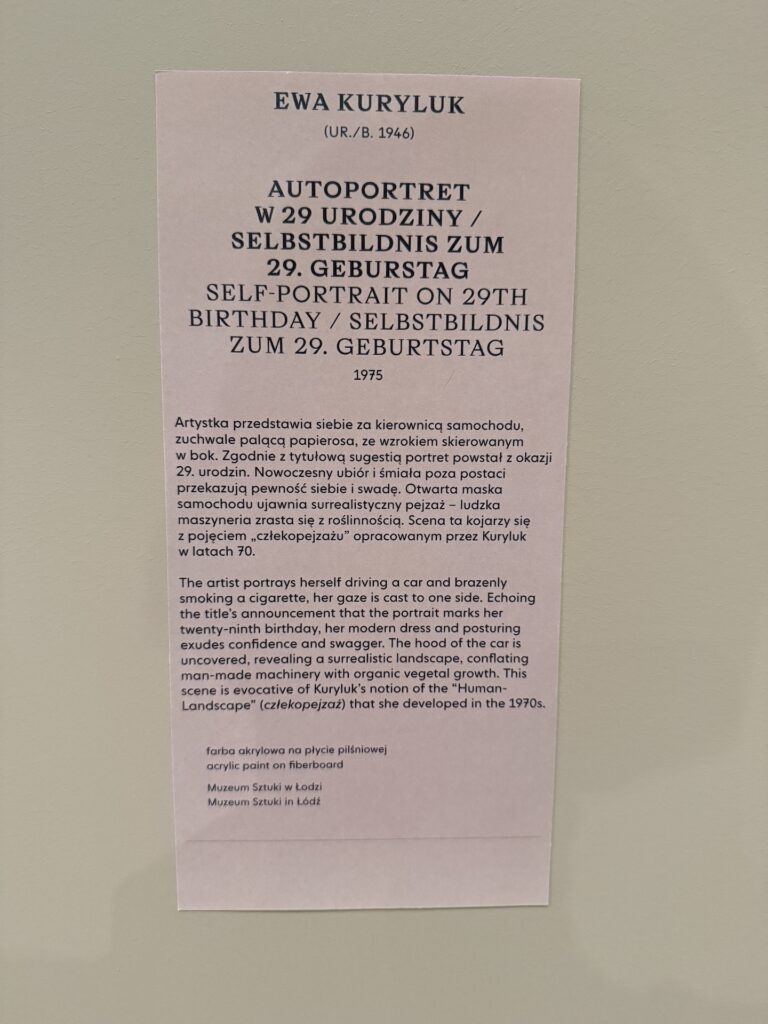
The artist portrays herself driving a car and brazenly smoking a cigarette, her gaze is cast to one side. Echoing the title’s announcement that the portrait marks her twenty-ninth birthday, her modern dress and posturing exudes confidence and swagger. The hood of the car is uncovered, revealing a surrealistic landscape, conflating man-made machinery with organic vegetal growth. This scene is evocative of Kuryluk’s notion of the “Human-Landscape” (czlekopejzaz) that she developed in the 1970s.
This really resonates with how I felt when I first started driving around 20-21 years old in Los Angeles. That feeling of unimaginable freedom and sense of power that comes from being able to move from one place to another on my own, without anyone controlling me or my time. The open windows, wind in the hair “Crazy” by Aerosmith road trip video resonating in my head as the ultimate symbol of youthful young adult girl freedom, with clothes lying around the trunk to change into. I still have that feeling most of the time when I get into the car and start driving. I feel trapped at home trying to work or clean or tend to the kids and my favourite moment is when I have to take them to a class, so we get in the car and drive and there is nothing else we can do at that time but just stay focused on the road ahead and listen to music. But nothing like a roadtrip to enhance that feeling further.
farba akrylowa na plycie pilsniowej
acrylic paint on fiberboard

Oh to be as brave as Guerilla Girls!!!
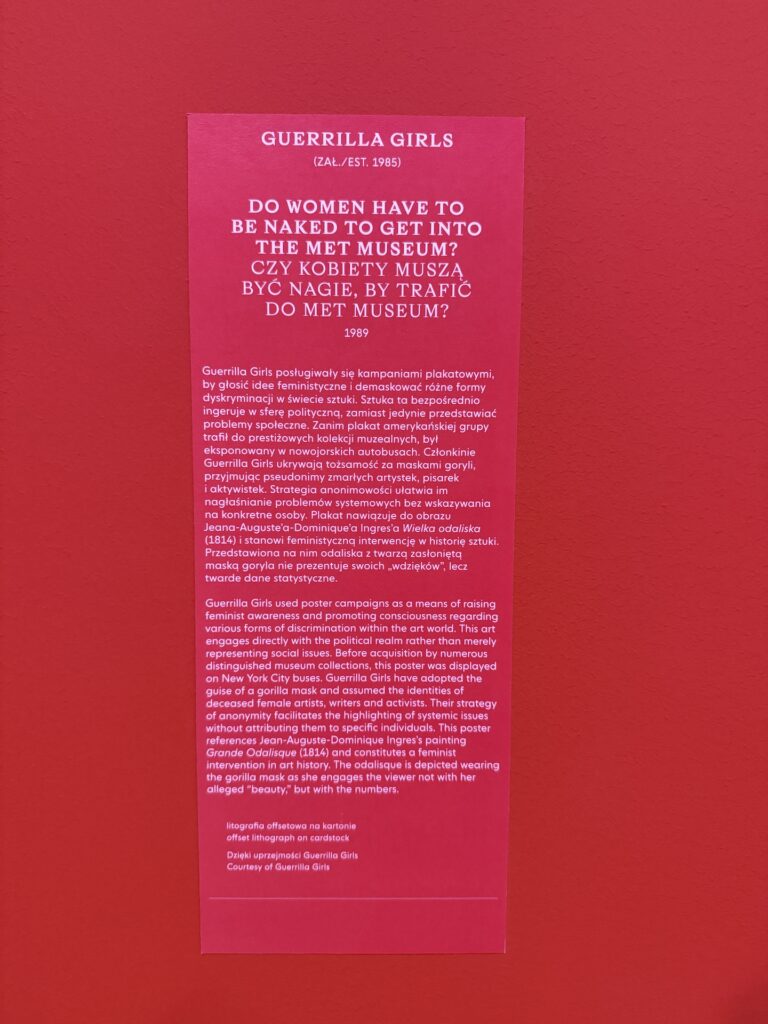
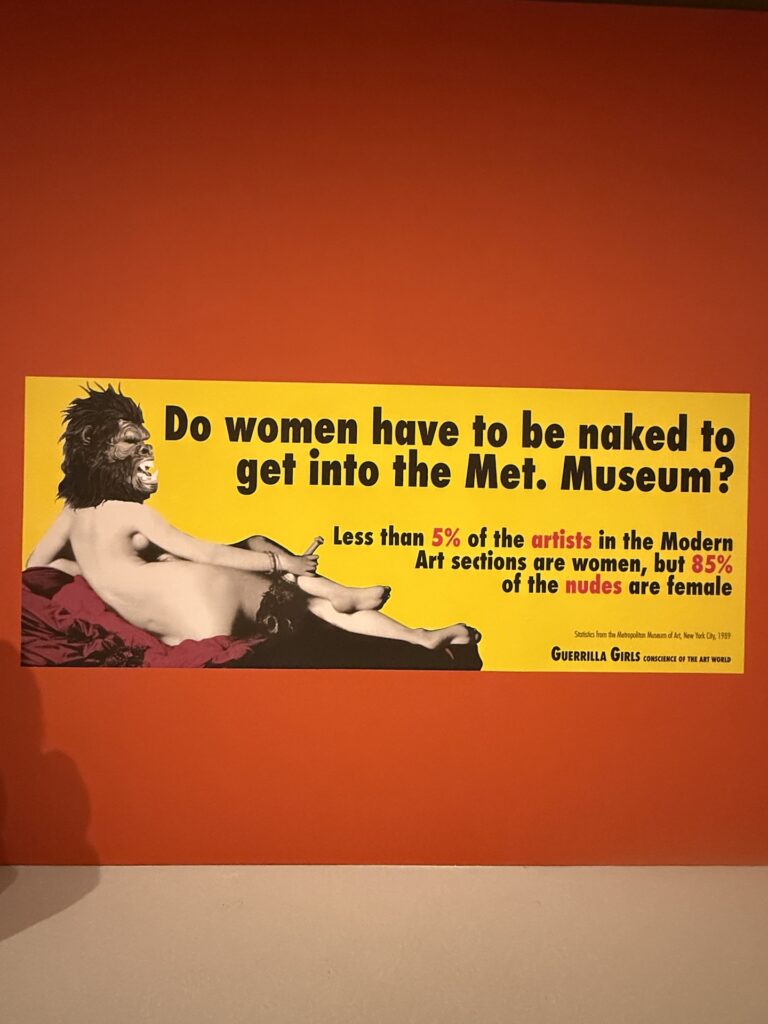
Guerrilla Girls used poster campaigns as a means of raising feminist awareness and promoting consciousness regarding various forms of discrimination within the art world. This art engages directly with the political realm rather than merely representing social issues. Before acquisition by numerous distinguished museum collections, this poster was displayed on New York City buses. Guerrilla Girls have adopted the guise of a gorilla mask and assumed the identities of deceased female artists, writers and activists. Their strategy of anonymity facilitates the highlighting of systemic issues without attributing them to specific individuals. This poster references Jean-Auguste-Dominique Ingres’s painting Grande Odalisque (1814) and constitutes a feminist intervention in art history. The odalisque is depicted wearing the gorilla mask as she engages the viewer not with her alleged “beauty,” but with the numbers.
The power of Lempicka’s unhinged feelings, the sensuality of the pose!!!
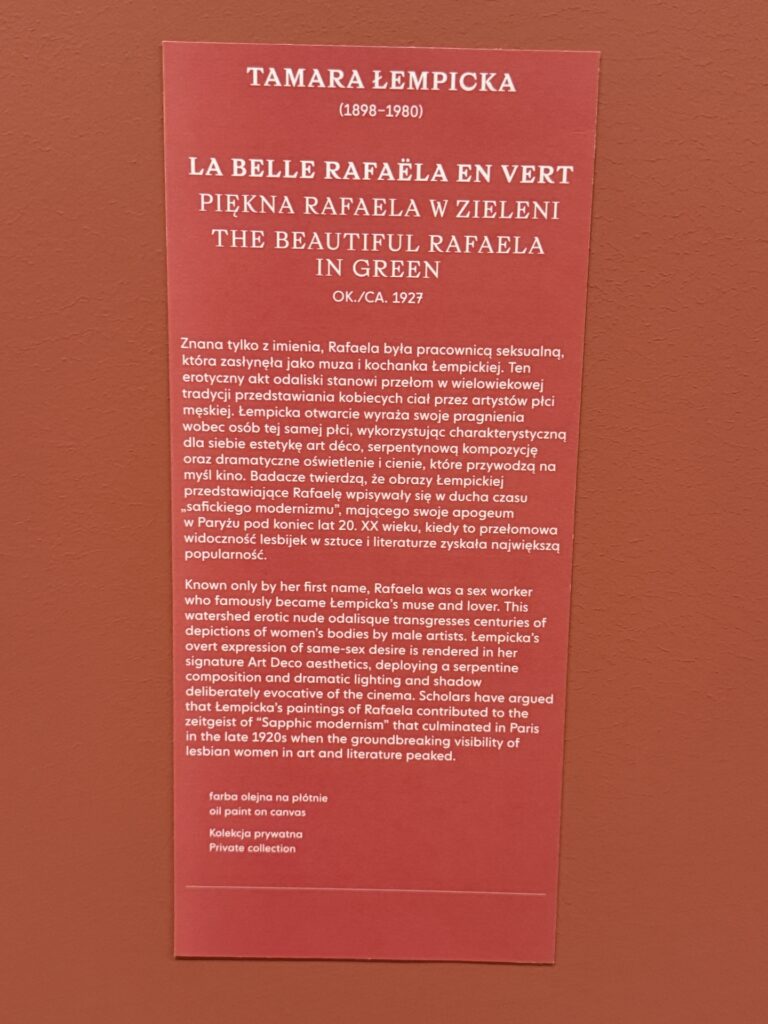
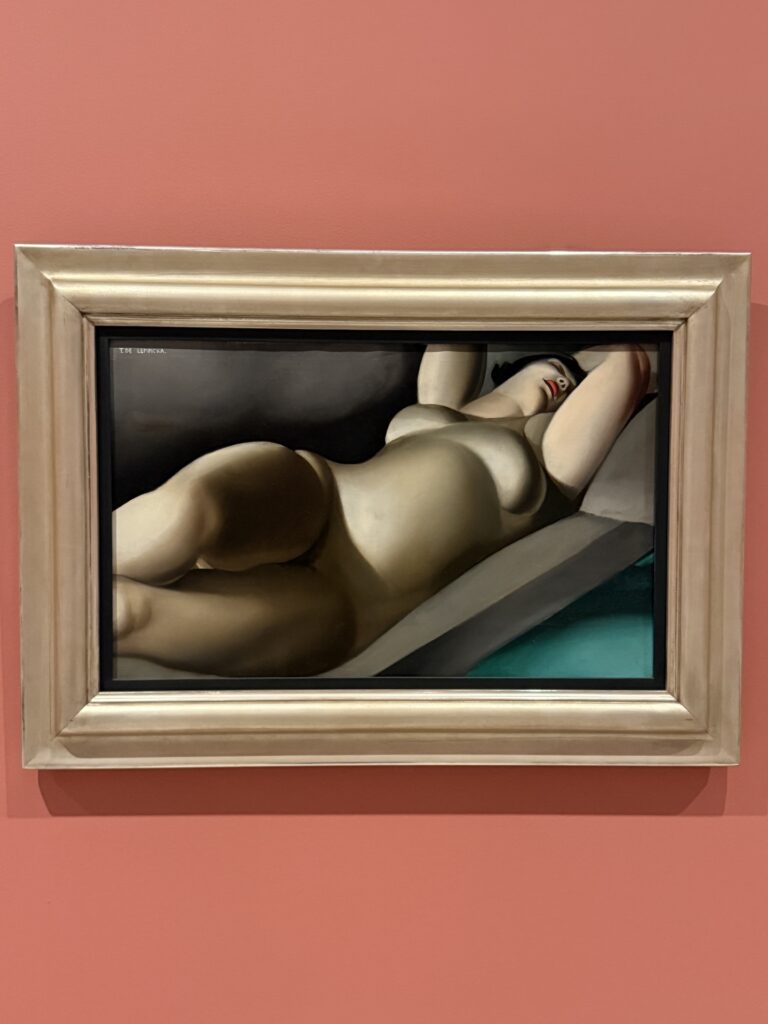
Expressionist and dark, very different analysis of Freud’s treatment of the model, from the way Lempicka saw Rafaela
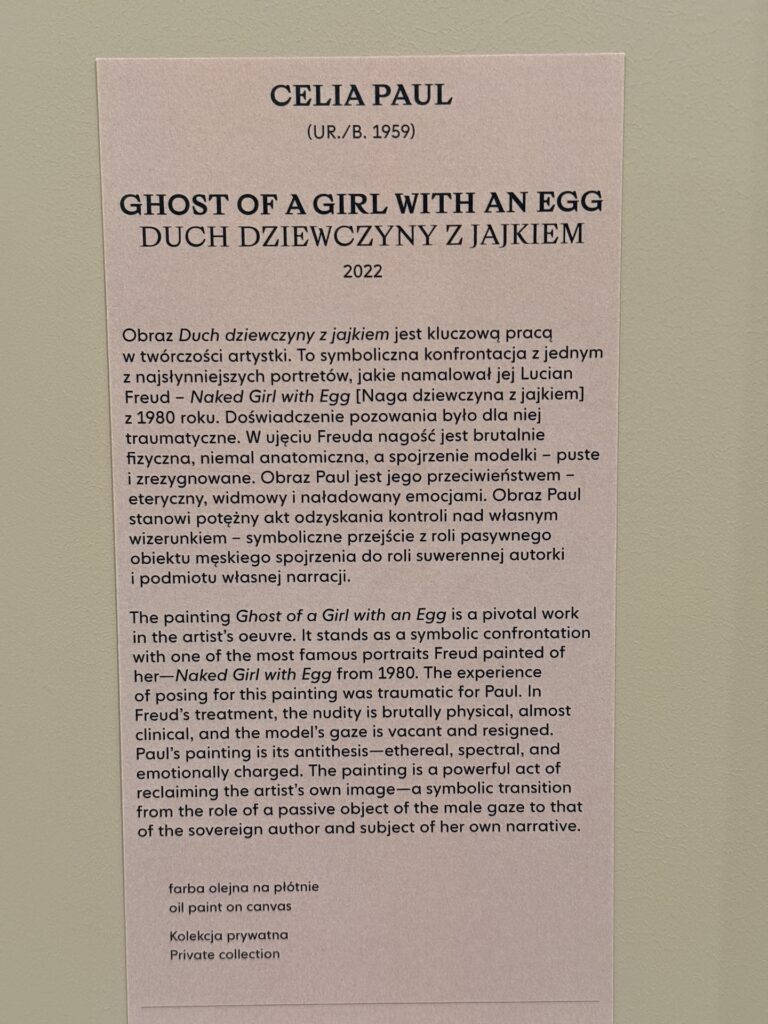
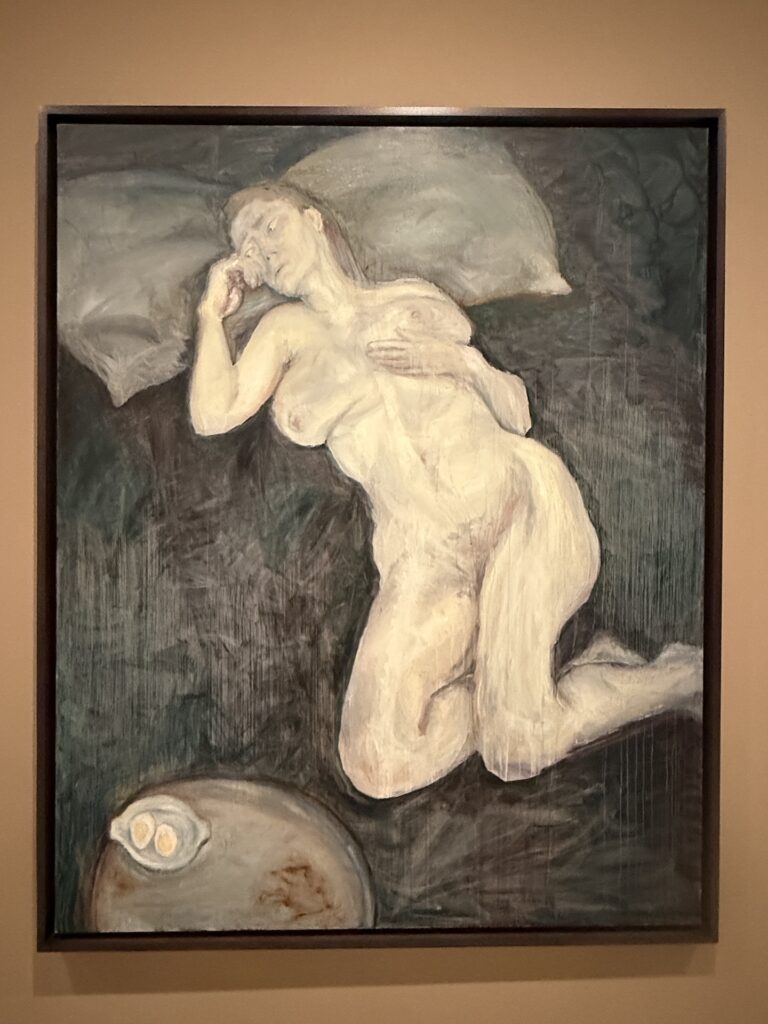
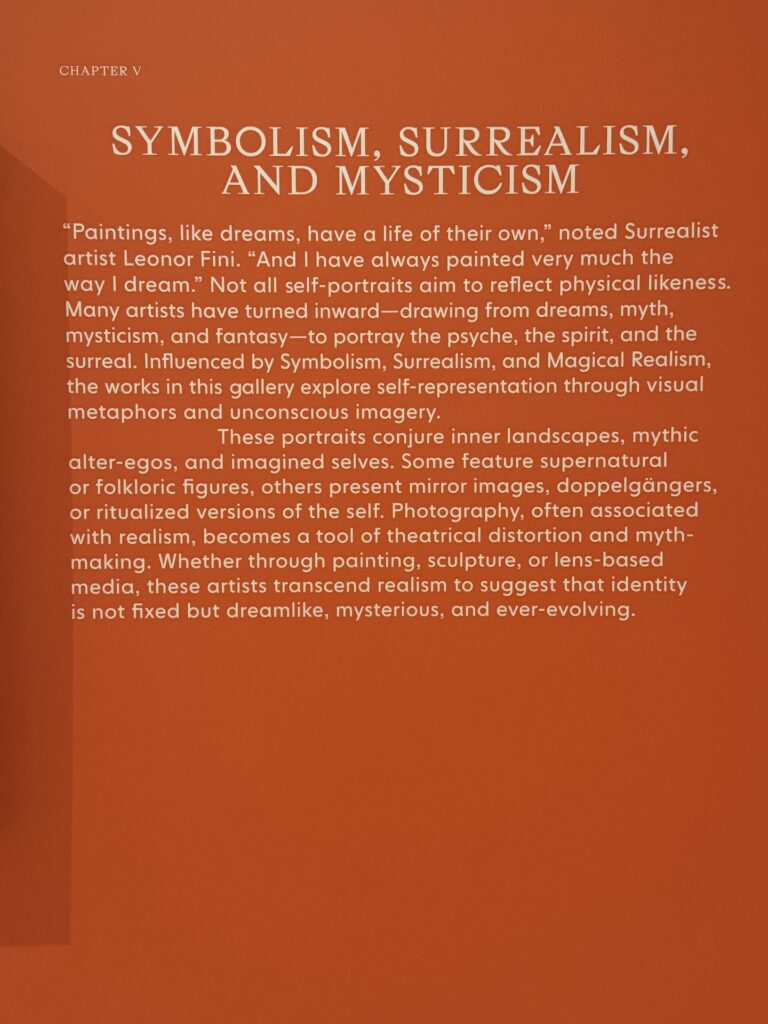
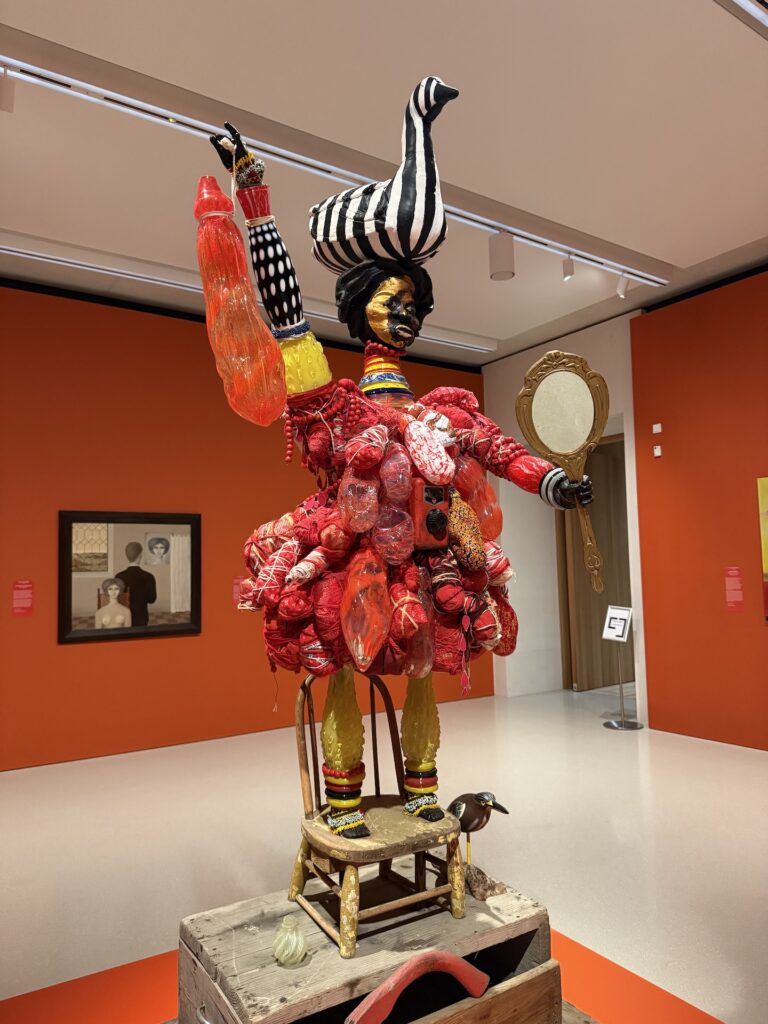
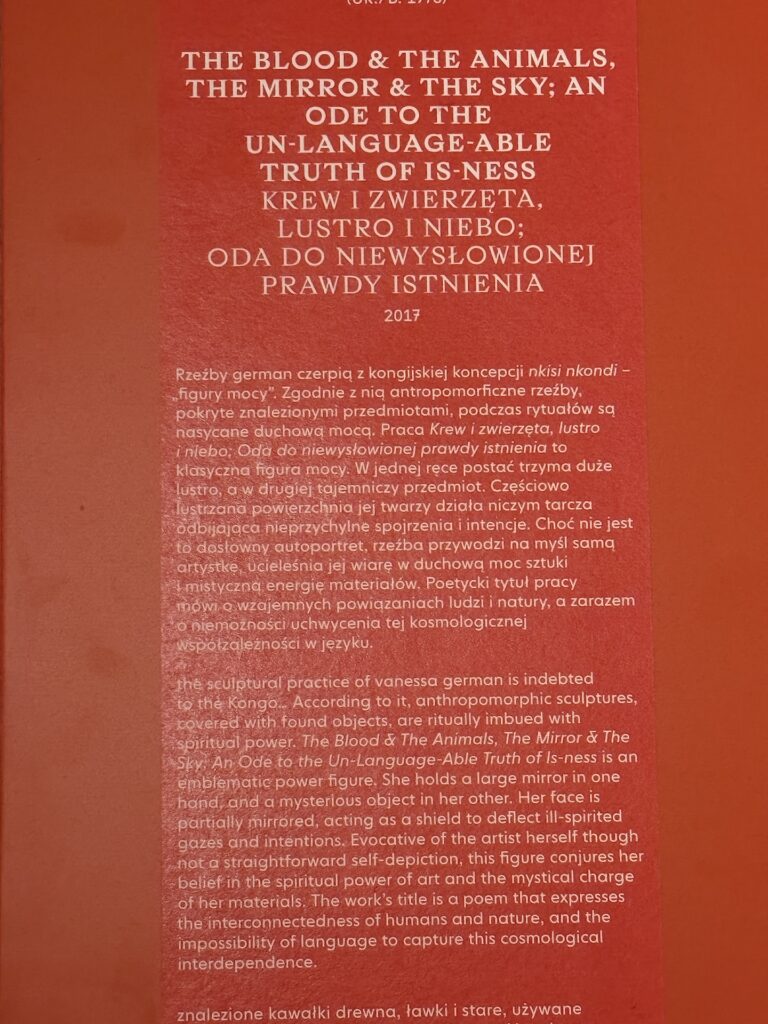
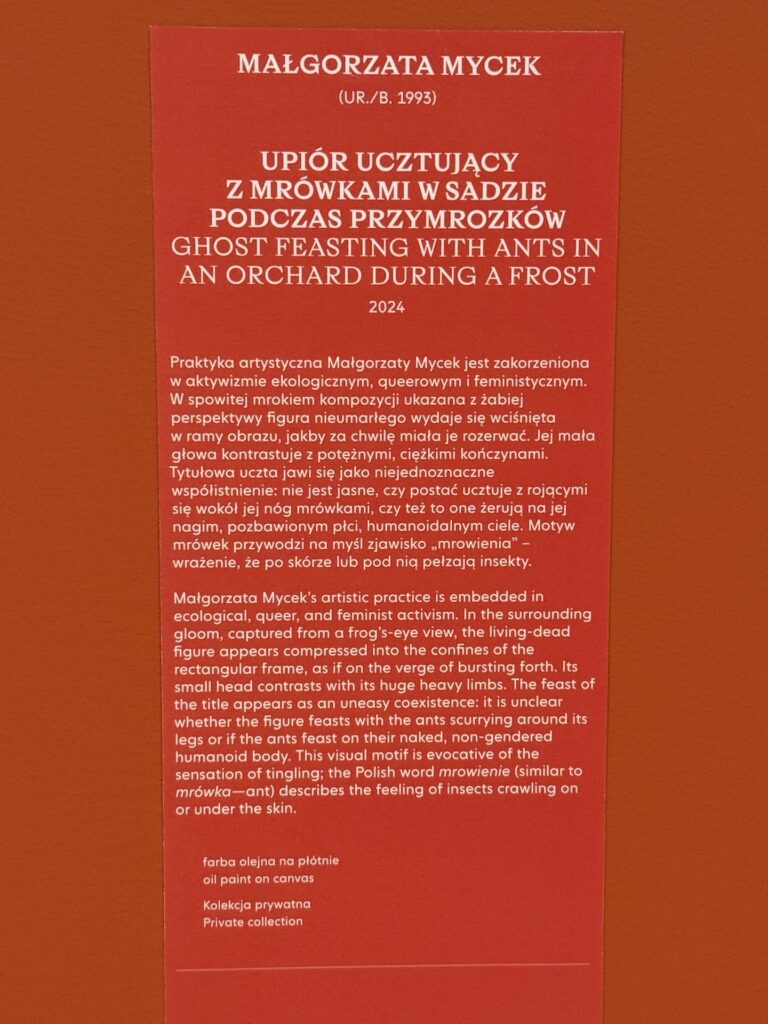
Symbolism and Mysticism