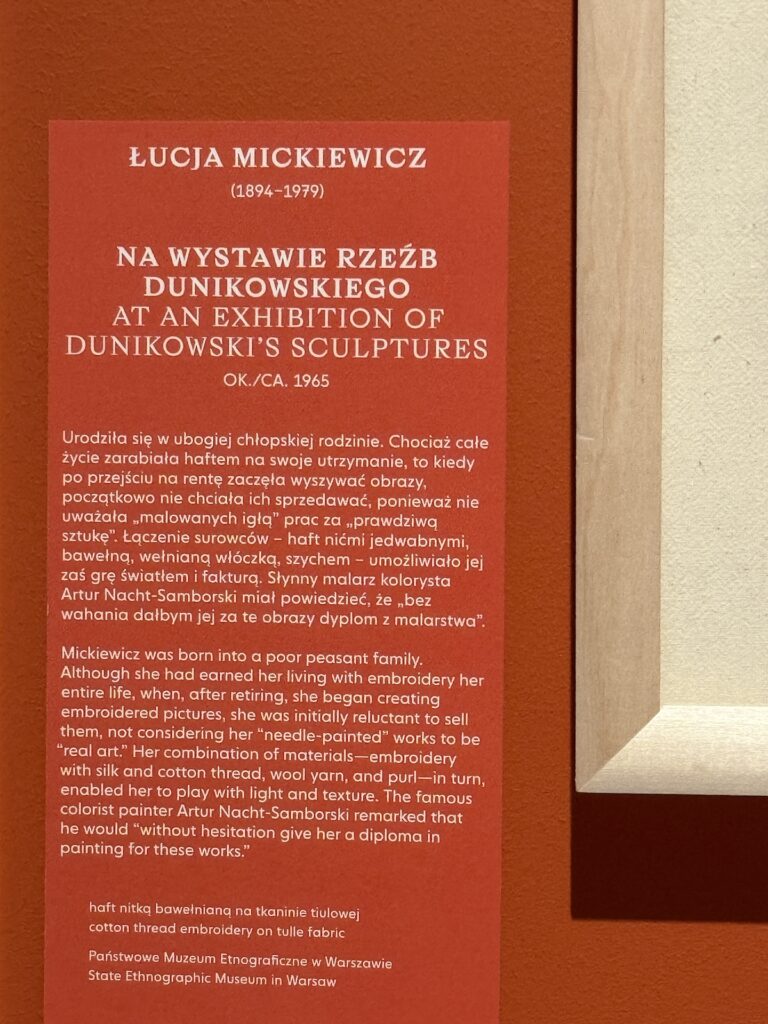
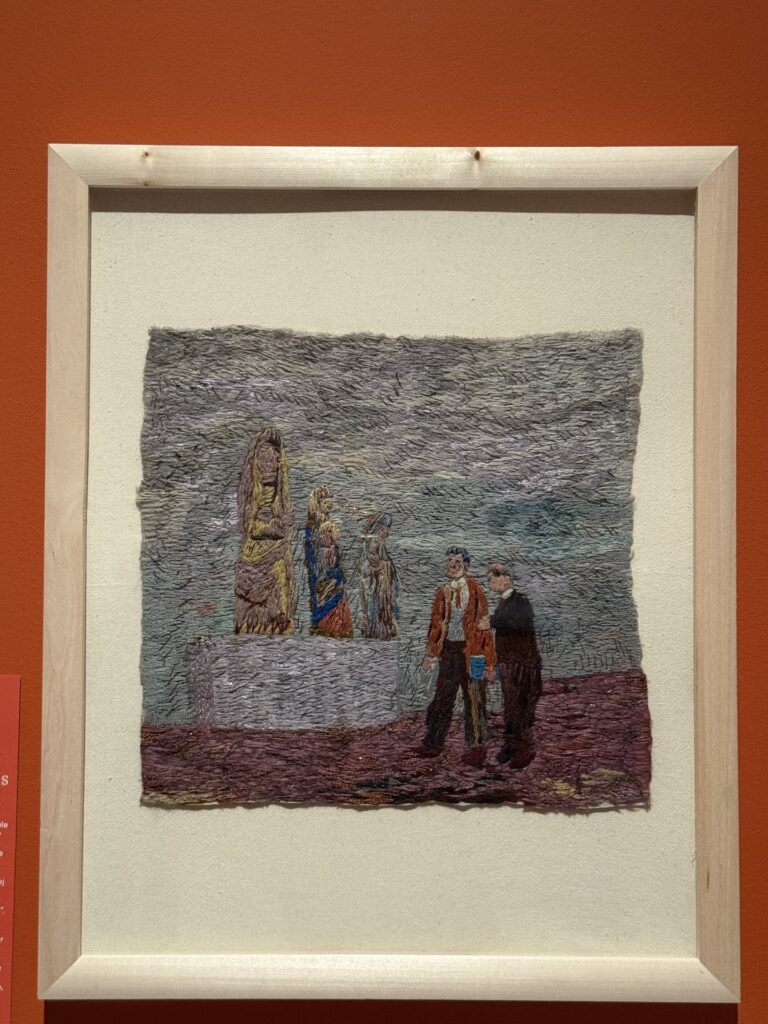
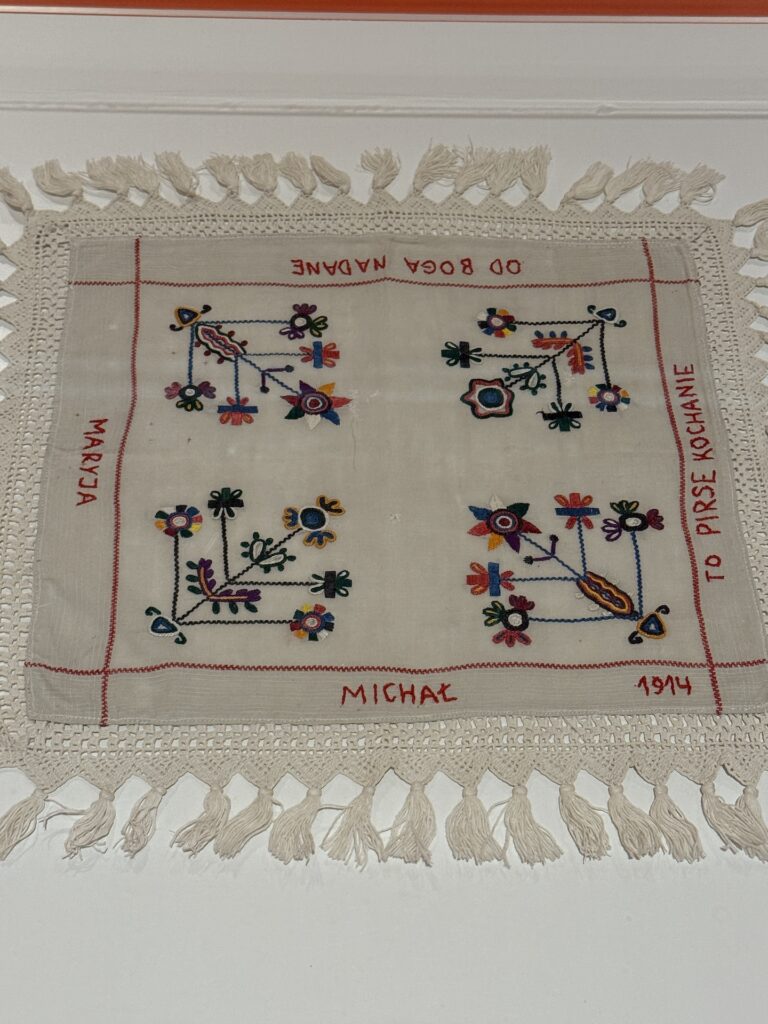
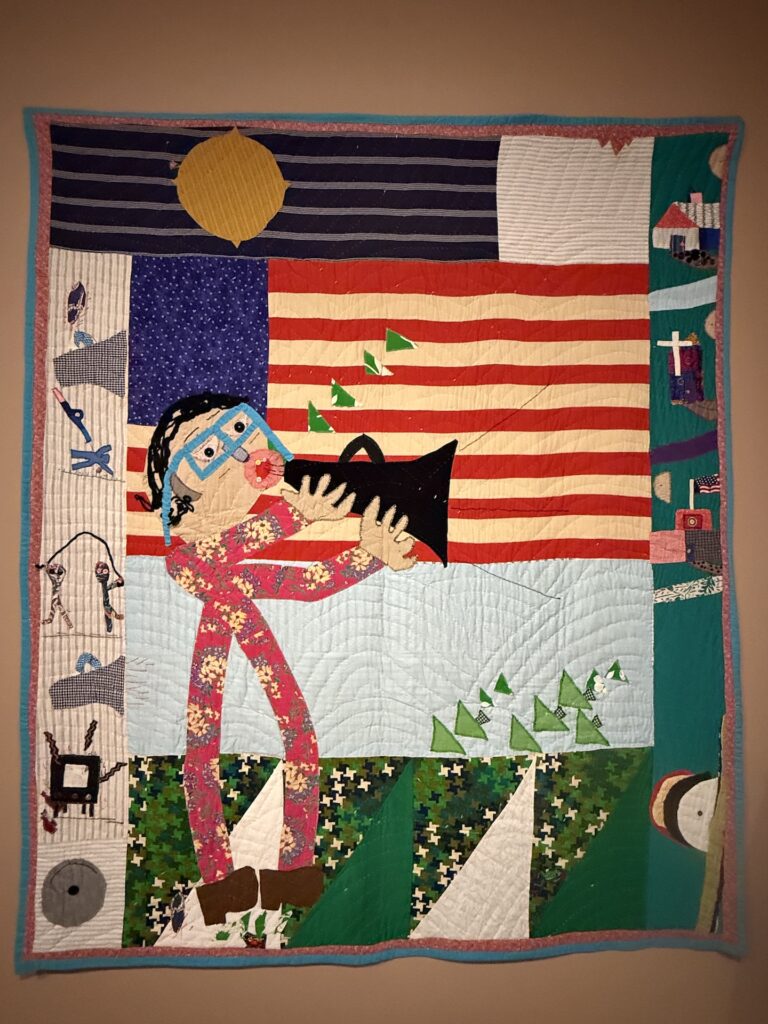
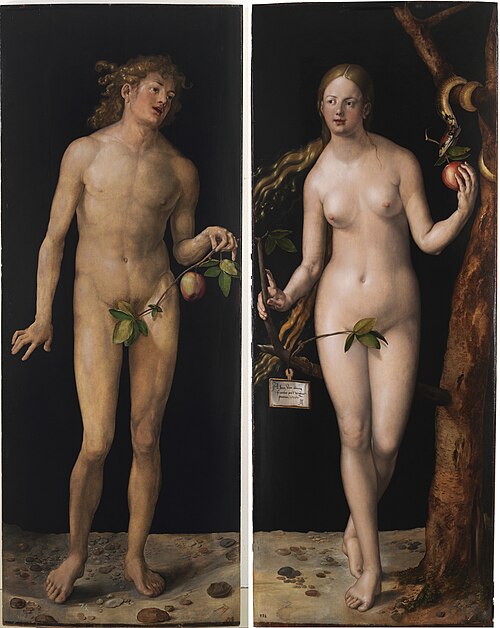
- I want to focus on the role of my grandmother in my life, and the collective generational struggle of women artists-mothers, who were forced to support their families as single mothers: the Journey from single mother struggling with naurosis and depression, without access to Mental Health support, using art as An outlet/method to manage her condition yet remaining invisible as An artist for Everyone except immediate family. I want to deeply analyse the last big piece of work she created, which was a 2 x 2m quilt she made as a wedding gift for me, based on Durer’s Adam and Eve oil on wood panel from 1507. I believe art was her way to cope with the difficulties of her everyday, caused by an early heartbreak, inability to study at a university(her mother was a private business owner in 1950s Poland and their childres couldn’t study, or maybe female children), early pregnancy with a gambler, who left when my mum was 3, leaving her to single parent, take barbiturates, which led to narcolepsy and depression. Creativity seemed to be her way to cope and making things for me and with me especially seemes like something that made her happy. Her final works, the quiltes on pillows and the giant 2x2m quilt seemed to be where she thrived the most, being able to truly show off her skills in colour coordination, composition, capturing the nuances in texture. However she never appreciated herself enough and I think was raised in that notion that quilting was, similarly to Łucja Mickiewicz, not considered “real art”. “Mickiewicz was born into a poor peasant family. Although she had earned her living with embroidery her entire life, when, after retiring, she began creating embroidered pictures, she was initially reluctant to sell them, not considering her “needle-painted” works to be ‘real art’.” The works I have discovered on my visit to Modern Art Museum in Warsaw exhibition The Women Question 1550-2025 very clearly explain to me moy grandmother’s thinking about her work. She was born in 1940 in Poland, when in Europe “until the late 19th century women were systematically excluded from formal artistic training and professional networks. Barred from academies, life drawing classes, and guilds” . I was able to learn how “access to education, or lack thereof, has influenced women’s artistic production.” I am beginning to gain a deeeper understanding of my grandmother and her work by learning that “embroidery from the 16th-20th centuries, showcasing how women of different classes used needlework to gain literacy, for artistic expression, and subversive self-representation.”

- Analysis and reflection of the decrease of mental-health in women mothers and the theory of creativity and movement as the cure – through Running, dance, singing, finding community of Women alike
I am feeling incredibly honoured and grateful to have been inspired by such an incredible artist my grandmother was, but equally really sad and angry by how unappreciated her work was during her lifetime, overshadowed by her mental issues and herself diminishing her achievements and creative abilities to “only being good enough to make presents for family and friends”. I do however understand that her lack of self-worth was caused by the unfortunate circumstances, being a child surviving a war and growing up in a family where her mother raised 3daughters and paid for education of her own 3 siblings by setting up her own millinery and tailoring business. My great grandmother treated her skills as trade money making tools, not as art. Babcia Bronia wanted her children to study, but my grandmother, Krysia, fell in love, had her heart broken and as a result ended up in a unhappy marriage with a man who always put down her skills and abilities. The story of a broken heart for someone as sensitive and fragile as her seems to have affected life choices, which as a result made her completely loose faith in herself. I feel it is my obligation, whrough my work, to keep her legacy alive and to immortalise her by making her work visible. I don’t want her to become the Unknown Artist. Just like the curator of The Women Question 1550-2025 exhibition is resurrecting the invisible Unknown Female Artists by shining a light on their work.