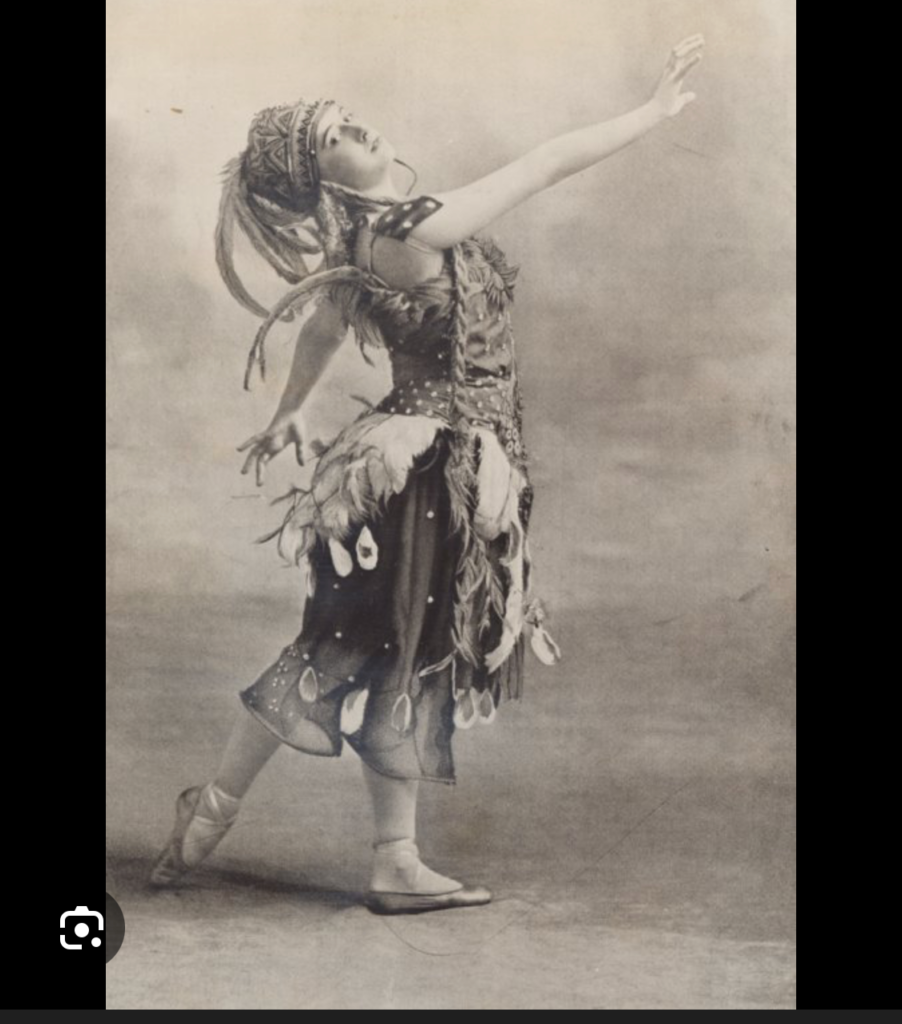
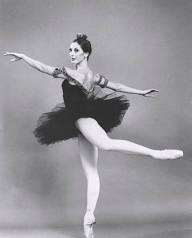
The ideal of being “skinny” in ballet intensified around the 1960s, largely due to choreographer George Balanchine’s “preference for a long, lean physique. Ballet has long idealized a sylphlike physique. The fixation on thin became amplified in the 1960s when Balanchine’s preference for long and lean ballerinas promoted a thin aesthetic that influenced other companies worldwide. Often, those who perpetuate unrealistic body standards today are former dancers who came of age during his reign. “Before this, professional dancers had a more diverse range of body types. Today, while a slim, athletic build is often seen as beneficial for the physical demands of elite-level classical ballet, many within the industry are working to promote health and a wider range of body types, according to Dance Magazine https://dancemagazine.com/the-cult-of-thin/
“Unfortunately, our entire culture right now glorifies extreme thinness. As a mother, I dread the day when my children learn that people will judge them on their appearance. Art can be a critical commentary on culture, but it can also display a culture at its extreme, and I think in ballet we see the continuation of today’s radically low weight-standard of beauty for women. Look at any television pilot episode and if the series gets picked up, all of the actresses come back 10 pounds lighter. Look at almost every ad in magazines or on bus stops and you see impossible examples of skinniness as beauty.” Former New York City Ballet principal Jenifer Ringer, 2014 book, Dancing Through It